

Explore Collection
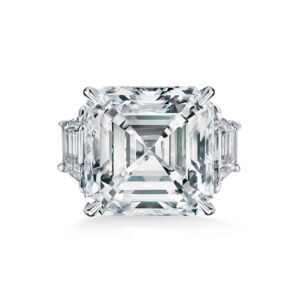
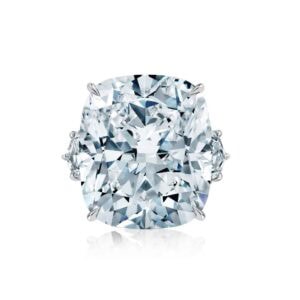
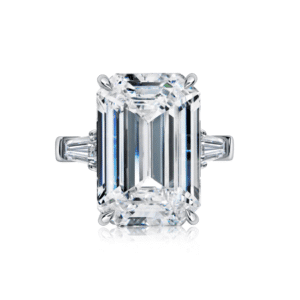
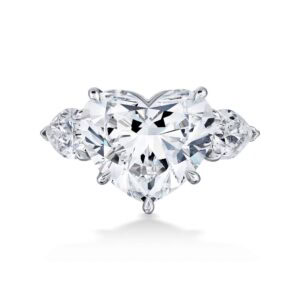
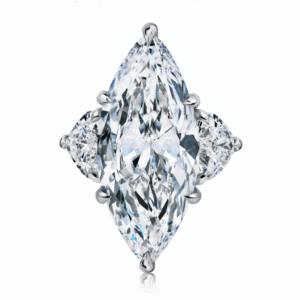
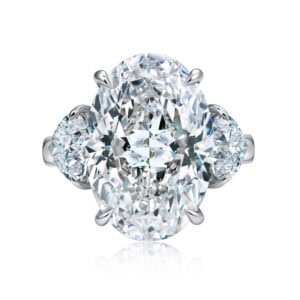
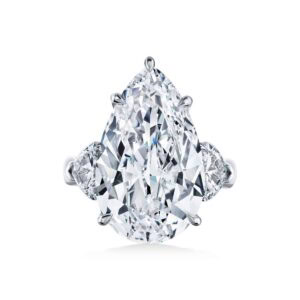
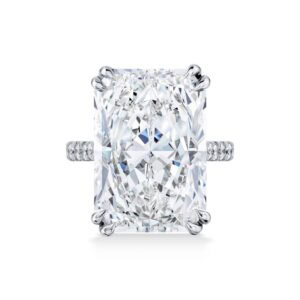
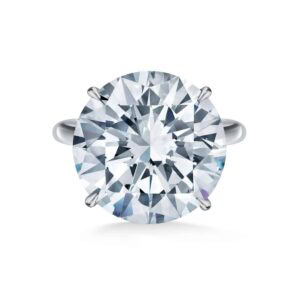
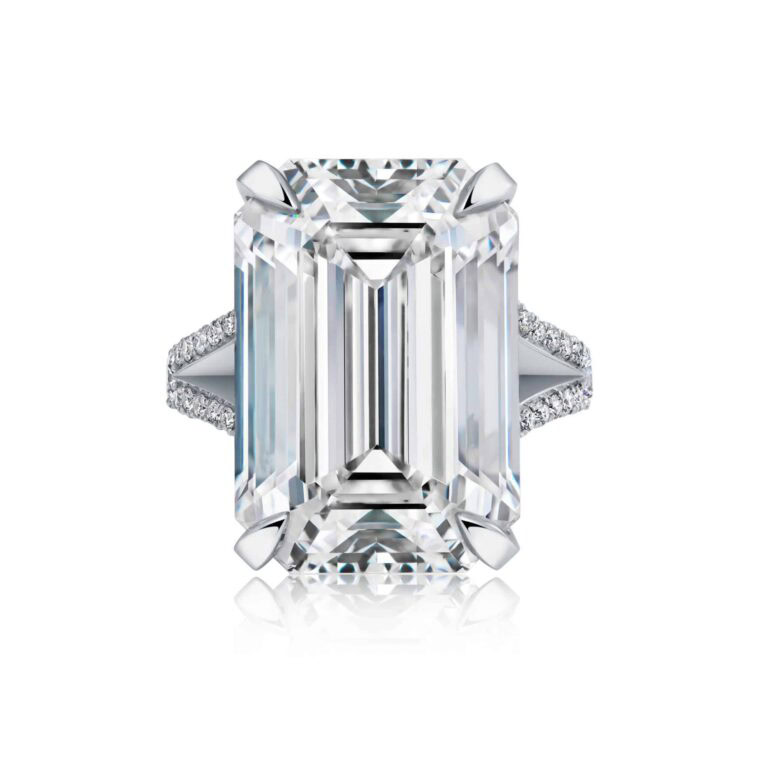
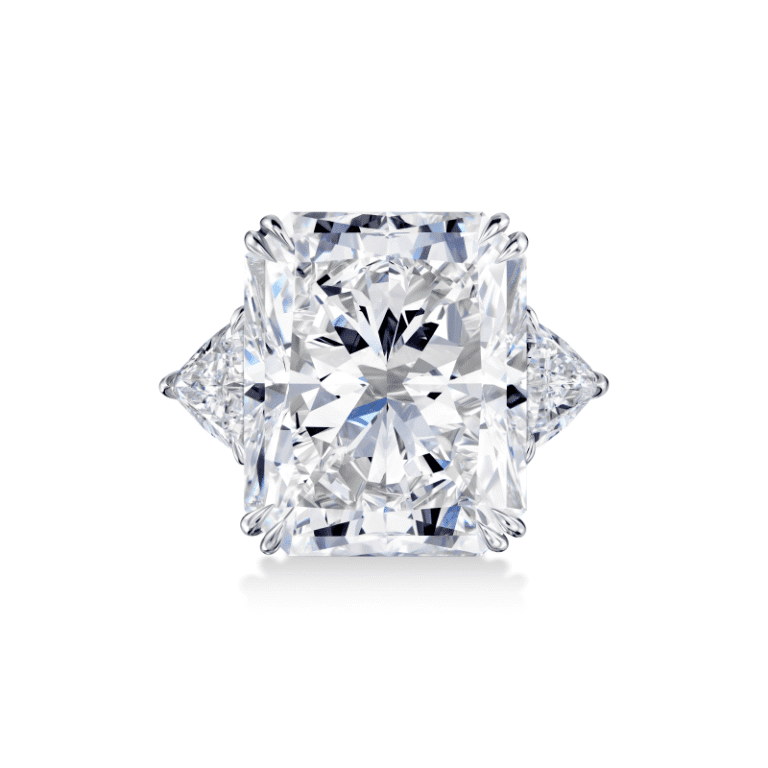
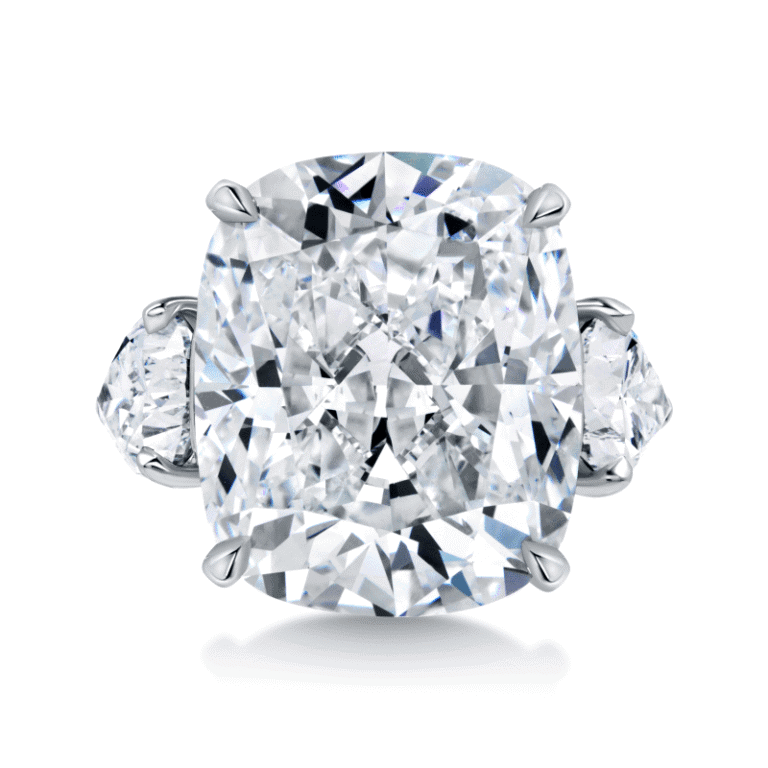
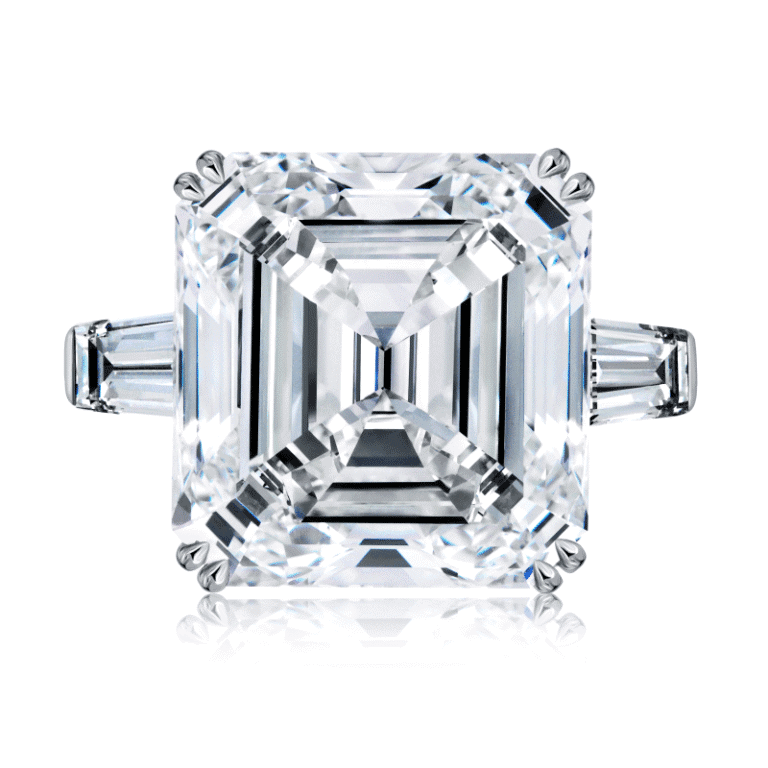
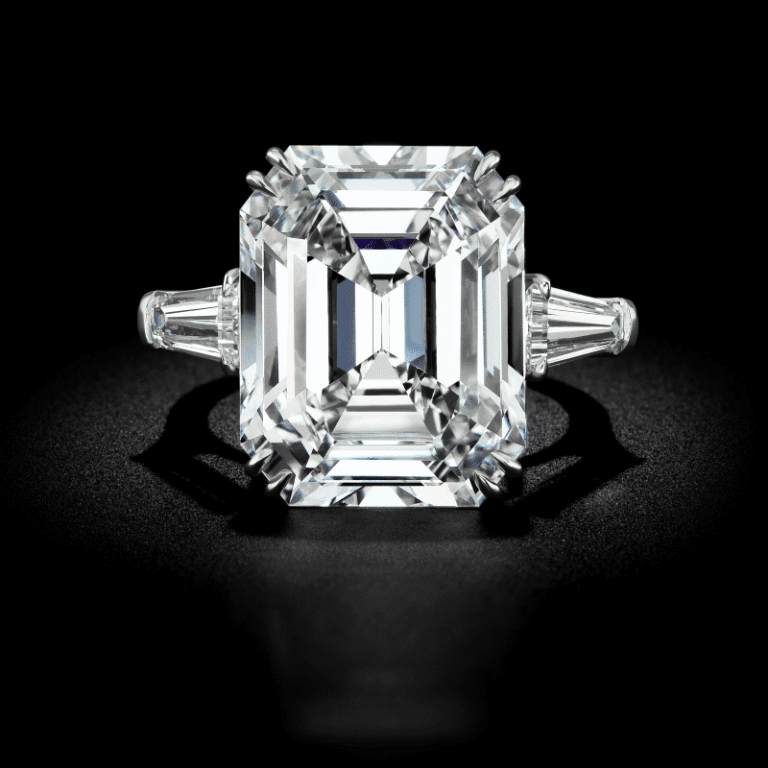
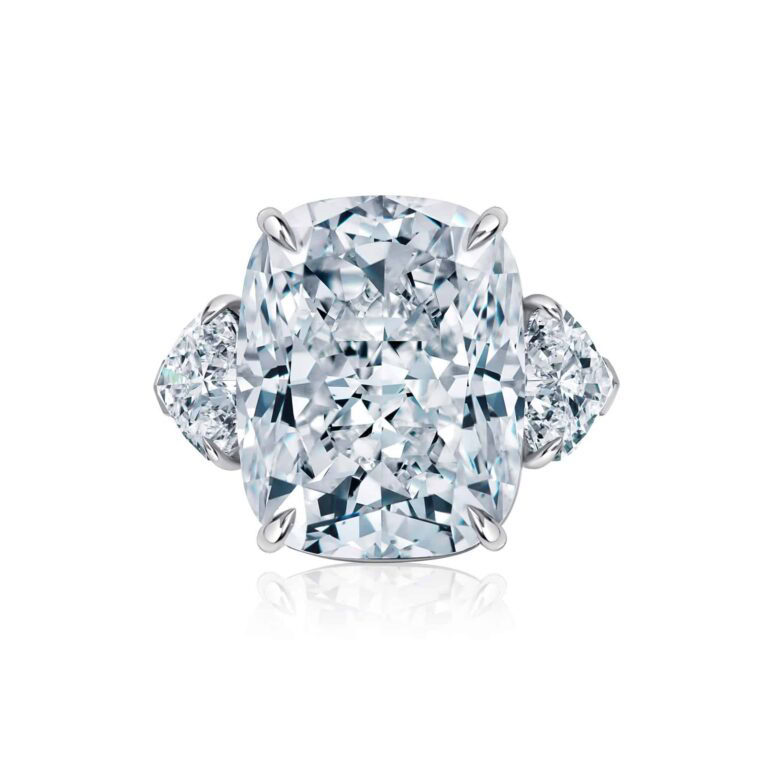
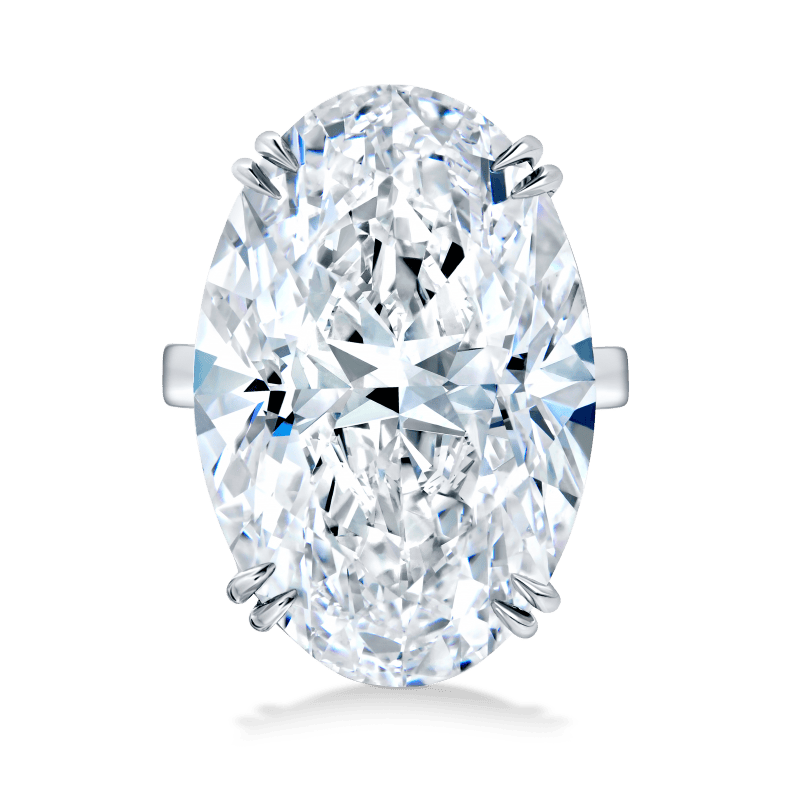
White diamond rings make up the largest category in fine jewelry — and the most demanding. A truly colorless diamond (GIA grades D, E, F) shows no tint face-up; near-colorless stones (G–J) read white to the eye but carry faint warmth visible under controlled lighting. The price gap between a D and an H of the same weight, clarity, and cut can exceed 40%.
This collection focuses on D–H color in VVS to VS clarity — the range where natural diamonds are bright, eye-clean, and visually indistinguishable from the highest grades to a non-trained eye. Carat weights run from 1 to above 20 carats, with engagement-ring weights (1–3ct) and statement weights (5ct+) both well represented.
Every stone is graded by the Gemological Institute of America and set in our New York atelier — primarily in platinum, which holds white diamonds without introducing color, with selected pieces in 18kt yellow gold for clients who want warmth in the metal but neutrality in the stone.
GIA-certified colorless diamond rings — D, E, and F color in round, oval, cushion, emerald, and pear cuts, set in platinum and 18kt gold.
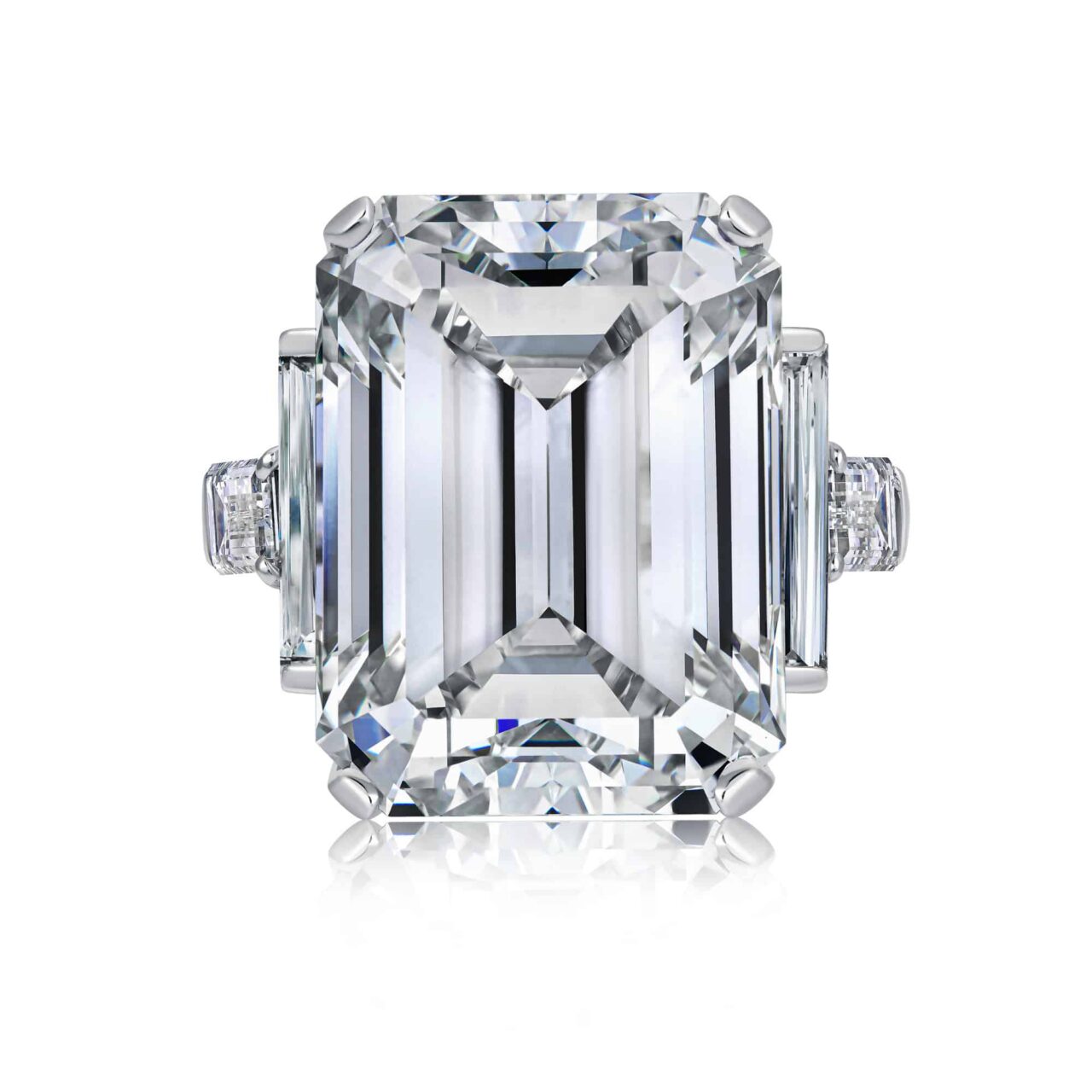
Understanding White Diamond Color Grades
GIA color grading runs from D (absolute colorless) through Z (light yellow or brown). The scale is divided into five practical bands: Colorless (D–F), Near Colorless (G–J), Faint (K–M), Very Light (N–R), and Light (S–Z). Beyond Z, the stone is reclassified as a Fancy Color diamond and graded on a separate scale.
For a white diamond ring, the visual jump between adjacent grades is small — D to E is virtually imperceptible face-up — but the price jump is significant because supply contracts steeply at the top of the scale. The D Flawless combination is the rarest commercial benchmark in natural diamonds; under 1% of mined gem-quality stones meet it. A D Flawless above 5 carats is a six-figure piece by definition.
Clarity matters more in step cuts (emerald, asscher) than in brilliant cuts. The long open facets of an emerald cut show inclusions clearly, so VS2 is the practical clarity floor; round brilliants and cushions can hide larger inclusions in their facet pattern and still read eye-clean at SI1.
Frequently Asked Questions
What is the best color grade for a white diamond ring?
For maximum rarity and resale, D–F (Colorless). For everyday wear with no visible tint and a more accessible price, G–H (Near Colorless) is the practical sweet spot — face-up colorless to the naked eye in platinum, especially in round, oval, and cushion cuts.
Is a D Flawless diamond worth the premium?
D Flawless is the rarest commercial benchmark in natural diamonds — under 1% of gem-quality rough produces it, and supply tightens further above 3 carats. The premium reflects scarcity and collector demand. For an investment-grade piece or a high-jewelry statement ring, yes. For everyday wear, a D VS1 or E VVS often delivers the same visual result at a meaningful discount.
Does the metal affect the apparent color of a white diamond?
Yes. Platinum is neutral and lets the stone read at its true grade. 18kt yellow gold reflects warmth into the pavilion and can make a G or H look one to two grades warmer face-up. For D–F color, platinum or white gold is standard; for J and below, yellow gold can be flattering rather than penalizing.
What clarity grade should I look for?
VS1–VS2 is the practical sweet spot — eye-clean to the naked eye, with inclusions visible only under 10x magnification. SI1 can be eye-clean in brilliant cuts (round, cushion, oval) but riskier in step cuts (emerald, asscher) where long facets reveal inclusions. Above VVS, you're paying for what the loupe sees, not the eye.
Related Collections
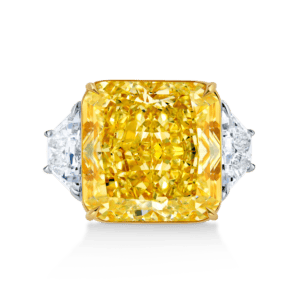
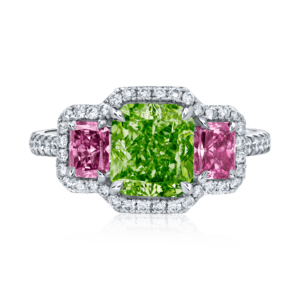
Experience luxury like never before. Discover our collection of white diamonds and make every moment memorable
Speak with an Advisor